
C++ Tutorials & Articles

C++ Standard Template Library – List

The Standard Template Library (STL) is one of the most essential features of C++. It has very much grown in recent years. Basically, the Standard Template Library provides templatized, general-purpose classes as well as methods. These classes and functions/methods implement several popular and most commonly used algorithms as well as data structures.
file handling in C++

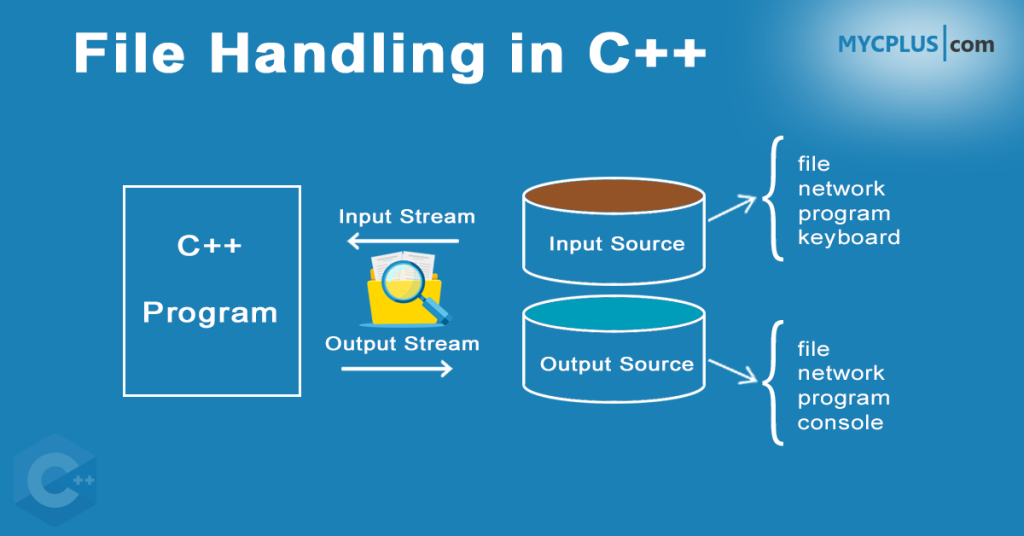
File Handling in C++

C++ treats files as data streams flowing into and out of a program. Each stream type has its own class, complete with functions that handle reading, writing, and managing file I/O efficiently.

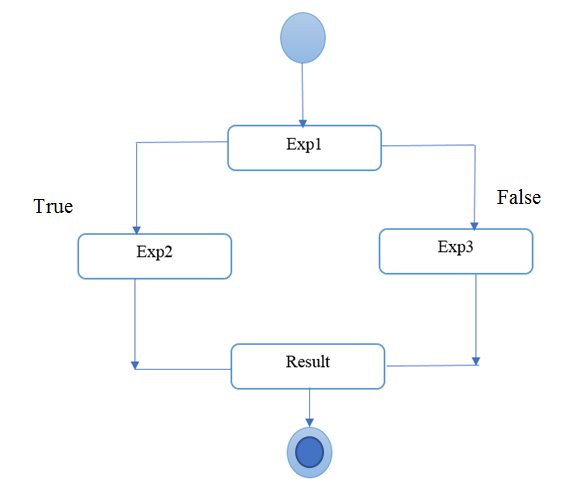
Ternary Operator Diagram

Ternary Operator with examples in C++

In C++, ternary operator allows executing different code depending on the value of a condition, and the result of the expression is the result of the executed code. The ternary operator uses 3 operands. It evaluates a condition and after that chooses one of its two branches to execute, depending upon the result of condition. The symbol for ternary operator is “? :”. The syntax for the ternary operator is: ? : ;

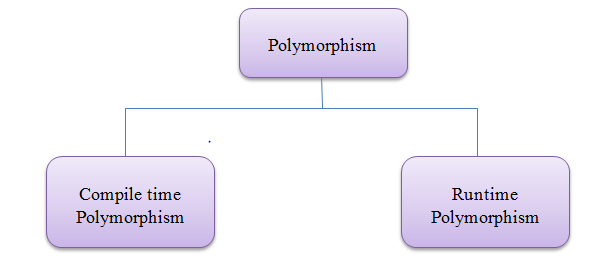
Types of Polymorphism in C++

Polymorphism in C++

Simply speaking, polymorphism is the ability of something to be displayed in multiple forms. Let’s take a real life scenario; a person at the same time can perform several duties as per demand, in the particular scenario. Such as, a man at a same time can serve as a father, as a husband, as a son, and as an employee. So, single person possess different behaviors in respective situations. This is the real life example of polymorphism. Polymorphism is one of the important features of Object Oriented Programming (OOP).

C++ Lecture Notes

Introduction to C++ – Lecture Notes

This post contains lecture notes of “Introduction to C++” course which is taught at MIT OpenCourseWare. OCW is a free and open publication of material from thousands of MIT courses, covering the entire MIT curriculum. There’s no signup, no enrollment, and no start or end dates.

An Introduction to C++

An Introduction to C++

The goal of these columns is to explore object-orientation through practical object-oriented programming. This time, we look at C++, but in the future we will explore other areas of object-orientation. Learning an object-oriented language-a whole new way of programming-will pave the way for many exciting topics down the road.

Advanced C++ Inheritance Techniques

Advanced C++ Inheritance Techniques for Effective Object-Oriented Programming

In Object Oriented Programming Inheritance is the process by which objects of one class acquire the properties and functionality of objects of another class. In the last tutorial on inheritance in C++ we developed a model using modes of transportation to illustrate the concept of inheritance. In this article we will use that model to illustrate some of the finer points of inheritance and what it can be used for.

Object Oriented Programming

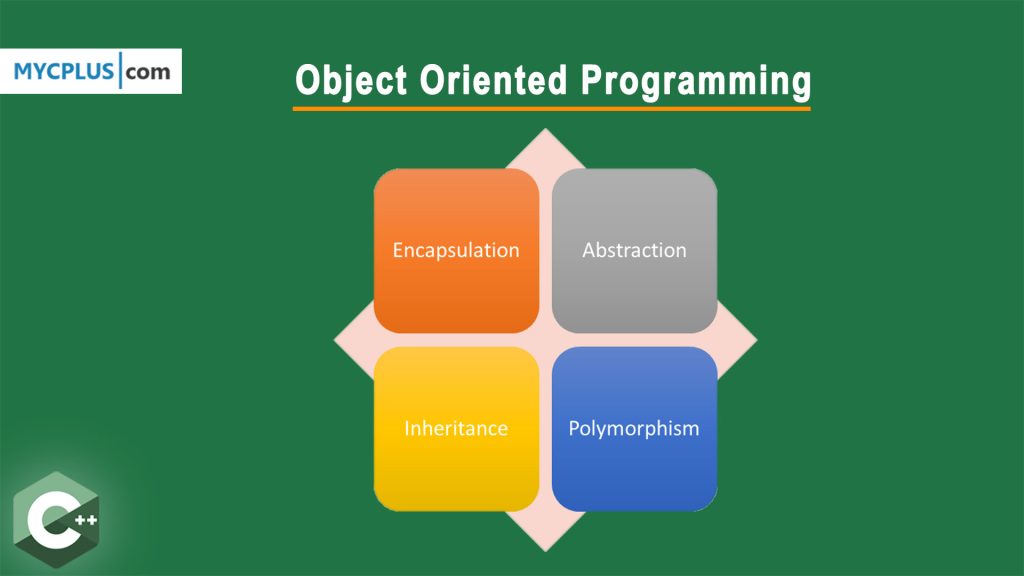
Inheritance in C++

The principle of inheritance is available with several modern programming languages and is handled slightly differently with each. C++ allows you to inherit all or part of the members and methods of a class, modify some, and add new ones not available in the parent class. You have complete flexibility, and as usual, the method used with C++ has been selected to result in the most efficient code execution.

Memory Management

C++ Memory Management

Everyone knows that memory management is a difficult and dangerous chore in C++. This series of three articles will show you that the conventional wisdom is not true. When approached correctly, C++’s seemingly archaic memory-management scheme actually provides an opportunity to create spectacular programs – programs that would not be possible with more modern languages that handle memory automatically.

Scroll to Top