Programming Tutorials

graphics.h Reference

256-Color VGA Programming in C

This tutorial covers many topics in VGA programming in the C programming language. Tutorial assumes that the programmers have a comprehensive understanding of C and should also have a familiarity with DOS and BIOS function calls and interrupts. Knowledge of trigonometry and geometry would also be helpful.
Union in C Programming

Union in C Programming

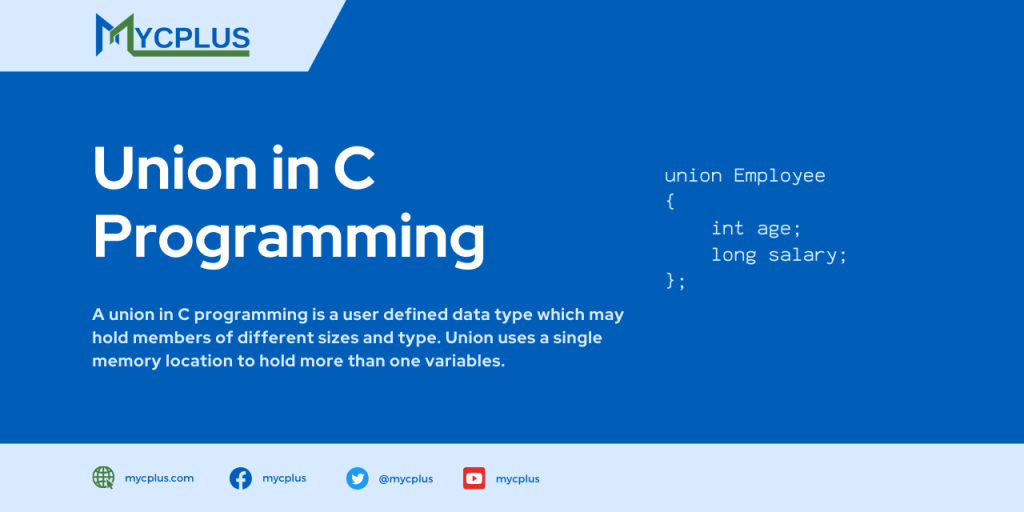
A union in C programming is a user defined data type which may hold members of different sizes and type. Union uses a single memory location to hold more than one variables. However, only one of its members can be accessed at a time and all other members will contain garbage values. A structure is a convenient tool for handling a group of logically related data items. Structure help to organize complex data is a more meaningful way. It is powerful concept that we may after need to use in our program Design.

Advanced C++ Inheritance Techniques

Advanced C++ Inheritance Techniques for Effective Object-Oriented Programming

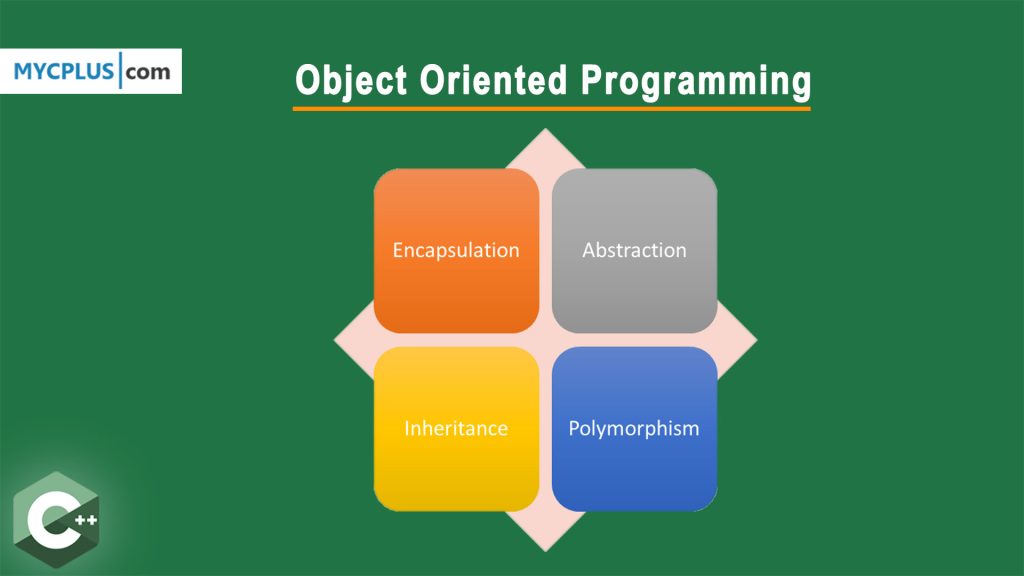
In Object Oriented Programming Inheritance is the process by which objects of one class acquire the properties and functionality of objects of another class. In the last tutorial on inheritance in C++ we developed a model using modes of transportation to illustrate the concept of inheritance. In this article we will use that model to illustrate some of the finer points of inheritance and what it can be used for.

Object Oriented Programming

Inheritance in C++

The principle of inheritance is available with several modern programming languages and is handled slightly differently with each. C++ allows you to inherit all or part of the members and methods of a class, modify some, and add new ones not available in the parent class. You have complete flexibility, and as usual, the method used with C++ has been selected to result in the most efficient code execution.

Memory Management

C++ Memory Management

Everyone knows that memory management is a difficult and dangerous chore in C++. This series of three articles will show you that the conventional wisdom is not true. When approached correctly, C++’s seemingly archaic memory-management scheme actually provides an opportunity to create spectacular programs – programs that would not be possible with more modern languages that handle memory automatically.

DirectX

Direct3D Retained mode sample

Over here I’ll shove in some basics, like coordinate systems, world and object coordinate systems, etc. For now I’ll assume you’re at least a little familiar with 3D programming. Blah blah blah, differences between immediate and retained mode, etc etc.

DirectX

Direct X and its Components

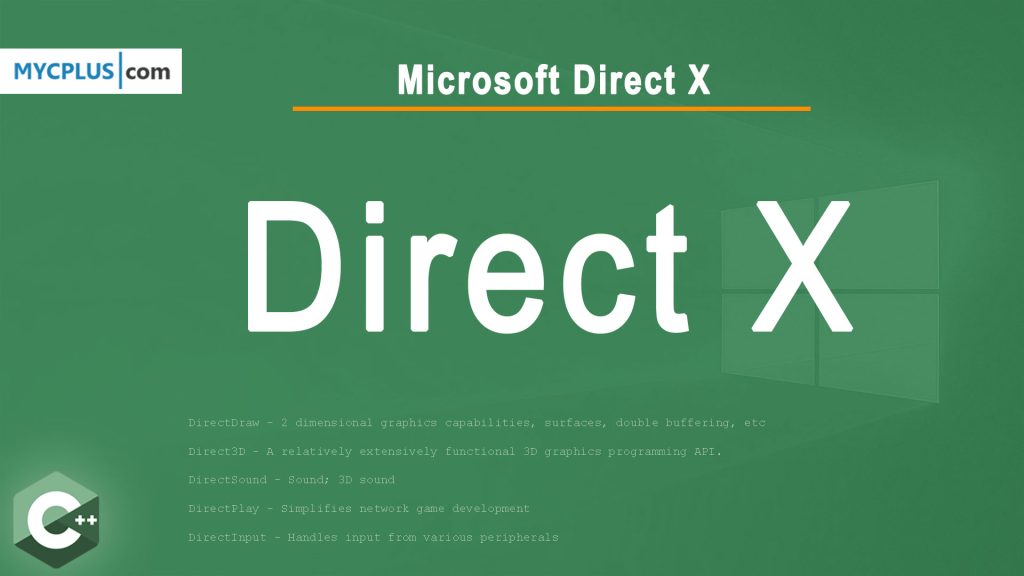
One of the main purposes of DirectX is to provide a standard way of accessing many different proprietary hardware devices. DirectX is comprised of application programming interfaces (APIs) that are grouped into two classes: The DirectX Foundation layer and The DirectX Media layer. These APIs enable programs to directly access many of your computer”s hardware devices.

Transitioning from C to C++

Transitioning from C to C++: A Quick Guide for Novice Programmers

As we begin the study of C++ and object oriented programming, a few comments are in order to help you get started. Since the field of object oriented programming is probably new to you, you will find that there is a significant amount of new terminology for you to grasp. This is true of any new endeavor and you should be warned not to be intimidated by all of the new concepts.

Working with Namespaces in C#

Every application begins with a namespace in C# .NET that has the same name as the project. Of course, you can change the namespace to anything you like in order to maintain compatibility with other projects. For example we declared namespace Mycplus.CSharpBasics while taking an Overview of C#. We can write the whole application with in one namespace or we can declare multiple namespaces as needed in our project. The general syntax of declaring a namespace is

Scroll to Top