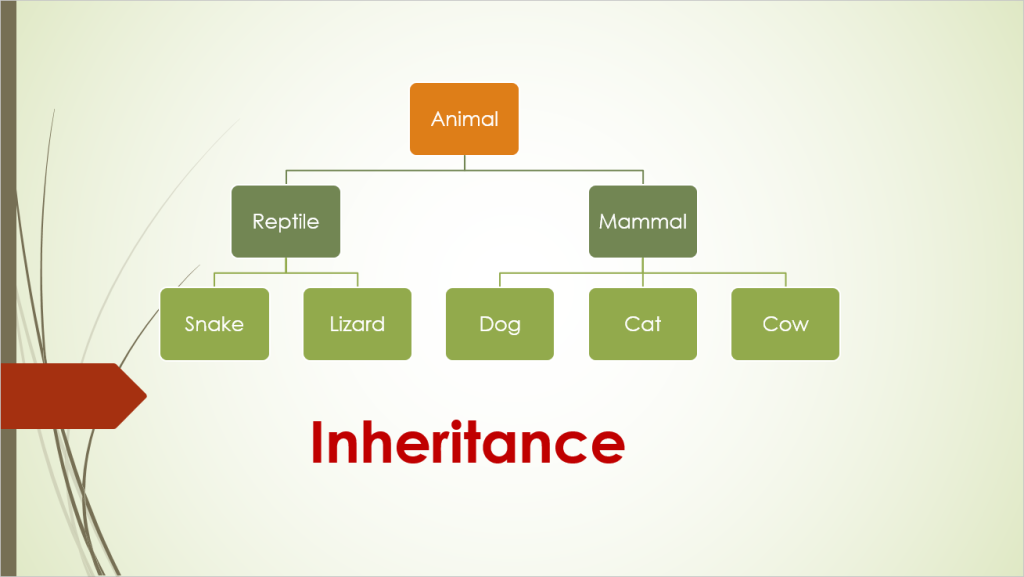
Inheritance

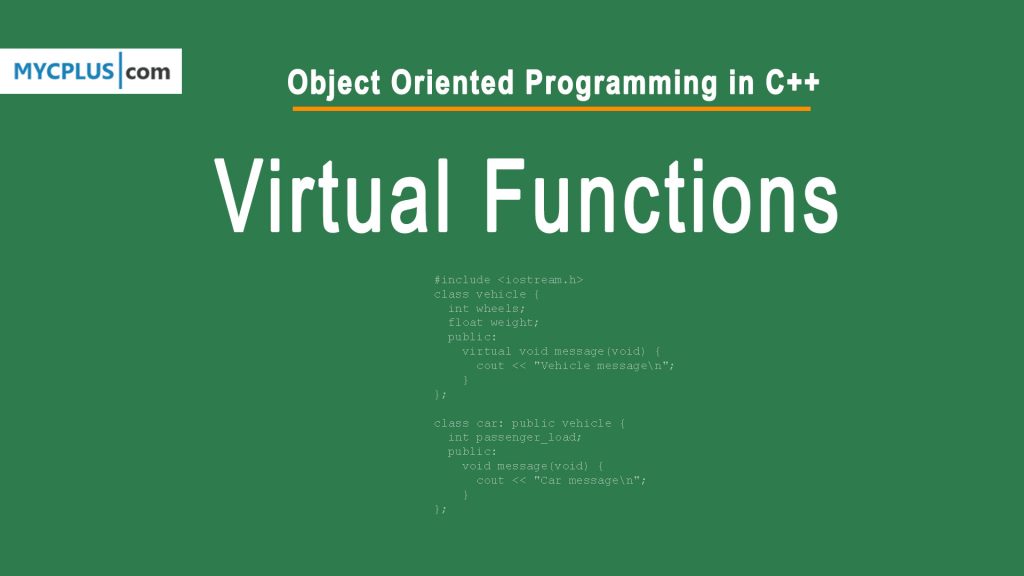
Pure Virtual Function in C++

Pure Virtual Functions in C++

Pure virtual functions contribute to the development of flexible and extensible code. These functions promote abstraction, polymorphism, and a clear separation between interfaces and their implementations. They are a fundamental feature of object-oriented design that encourages good software engineering practices.
C++ Inheritance

C++ program to demonstrate Inheritance

This is a simple C++ Program to demonstrate Inheritance. Simpler methods in the classes have been changed to inline code to shorten the file considerably. In a practical programming situation, methods that are this short should be programmed inline since the actual code to return a simple value is shorter than the code required to send a message to a non-inline method.

Advanced C++ Inheritance Techniques

Advanced C++ Inheritance Techniques for Effective Object-Oriented Programming

In Object Oriented Programming Inheritance is the process by which objects of one class acquire the properties and functionality of objects of another class. In the last tutorial on inheritance in C++ we developed a model using modes of transportation to illustrate the concept of inheritance. In this article we will use that model to illustrate some of the finer points of inheritance and what it can be used for.

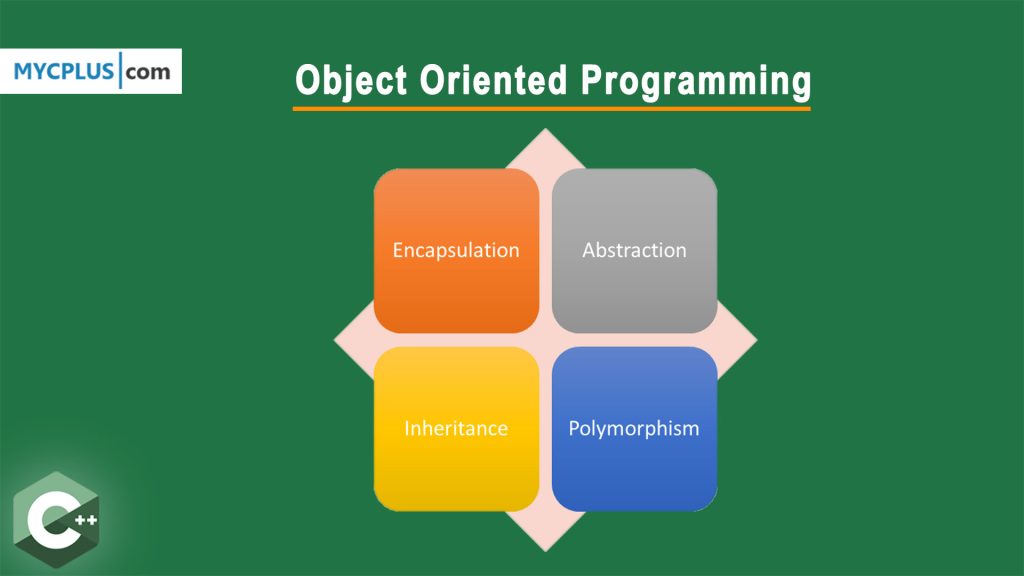
Object Oriented Programming

Inheritance in C++

The principle of inheritance is available with several modern programming languages and is handled slightly differently with each. C++ allows you to inherit all or part of the members and methods of a class, modify some, and add new ones not available in the parent class. You have complete flexibility, and as usual, the method used with C++ has been selected to result in the most efficient code execution.

Object Oriented Programming

Polymorphism: Object Oriented Programming (OOP)

In OOP terms, polymorphism represents the ability to resolve a reference to an object’s method at run time. Specifically, different objects could make a call to a Draw or Print method, and these methods would act differently with each object; the process can take different forms behind a common interface. One of the benefits of polymorphism is that because the interface is common to objects, any object is able to respond differently to some common set of tasks, and objects are independent of each other.

Multiple Inheritance in C++

Multiple Inheritance in C++

Multiple Inheritance in C++ is a powerful yet intricate feature that allows a class to inherit properties and behaviors from more than one base class. In traditional single inheritance, a class can have only one immediate parent, but with multiple inheritance, a derived class can inherit from multiple base classes.

Understanding C++ Templates

Understanding C++ Templates: A Simplified Guide

Learn the basics of C++ templates and how they are used in programming. This article breaks down the concept of templates, their types, and common challenges. From function templates to member function templates, discover their practical applications and potential pitfalls. Whether you’re a beginner or looking to deepen your understanding, this guide provides a straightforward explanation of C++ templates.

Scroll to Top