
Source Code

Base 64 Encoding and Decoding

C Implementation of Base64 Encoding and Decoding

Base64 encoding and decoding schemes are commonly used to encode binary data. Normally this is required when textual data needs to be transferred over the network or similar media and make sure that data is transferred without any modification. Base64 is commonly used in a number of applications, including email via MIME, and storing complex data in XML. This is a very simple implementation of base64 encoding and decoding in C programming language. There are number of C libraries available for encoding and decoding as well i.e. libb64, OpenSSL Base64, Apple’s Implementations, arduino-base64 etc.
Porter's Algorithm in C

Porter’s Algorithm in C

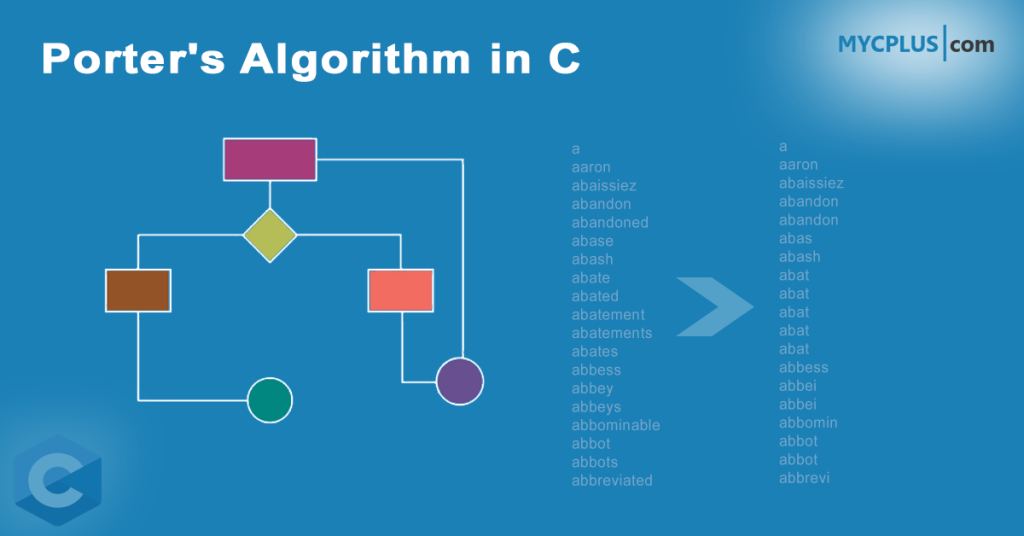
Originally written in 1979 at Computer Laboratory, Cambridge (England), it was reprinted in 1997 in the book “Readings in Information Retrieval”. Initially it was written in BCPL language. Here is the list of implementations in other programming languages including C, Java and Pearl implementations done by author himself.

Add Time Using Structures

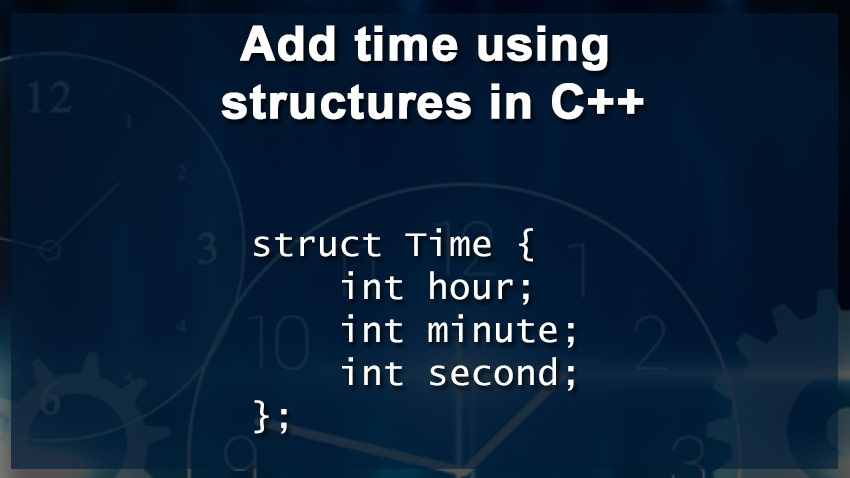
Add time using structures in C++

This is a C++ implementation of adding time using structures. A structure is a convenient tool for handling a group of logically related data items. Structure help to organize complex data is a more meaningful way. It is powerful concept that we may after need to use in our program Design.

C# Program to Validate Email Address

C# Program to Validate Email Address

This is a simple C# .NET Program to validate email address. The ValildateEmail() function checks for a valid email and returns true if the email address is a valid email otherwise it returns false if the email address is not proper syntax. The code is well commented and should explain what is happening .

C Program to Calculate Factorial of a Number

C Program to Calculate Factorial of a Number

This C program is designed to compute the factorial of a user-entered integer. The program employs a for loop to calculate the factorial and then displays the result. The user can continue inputting positive integers to obtain their factorials until a non-integer input is provided which terminates the program.

Scroll to Top